Car sharing: a more flexible car rental experience
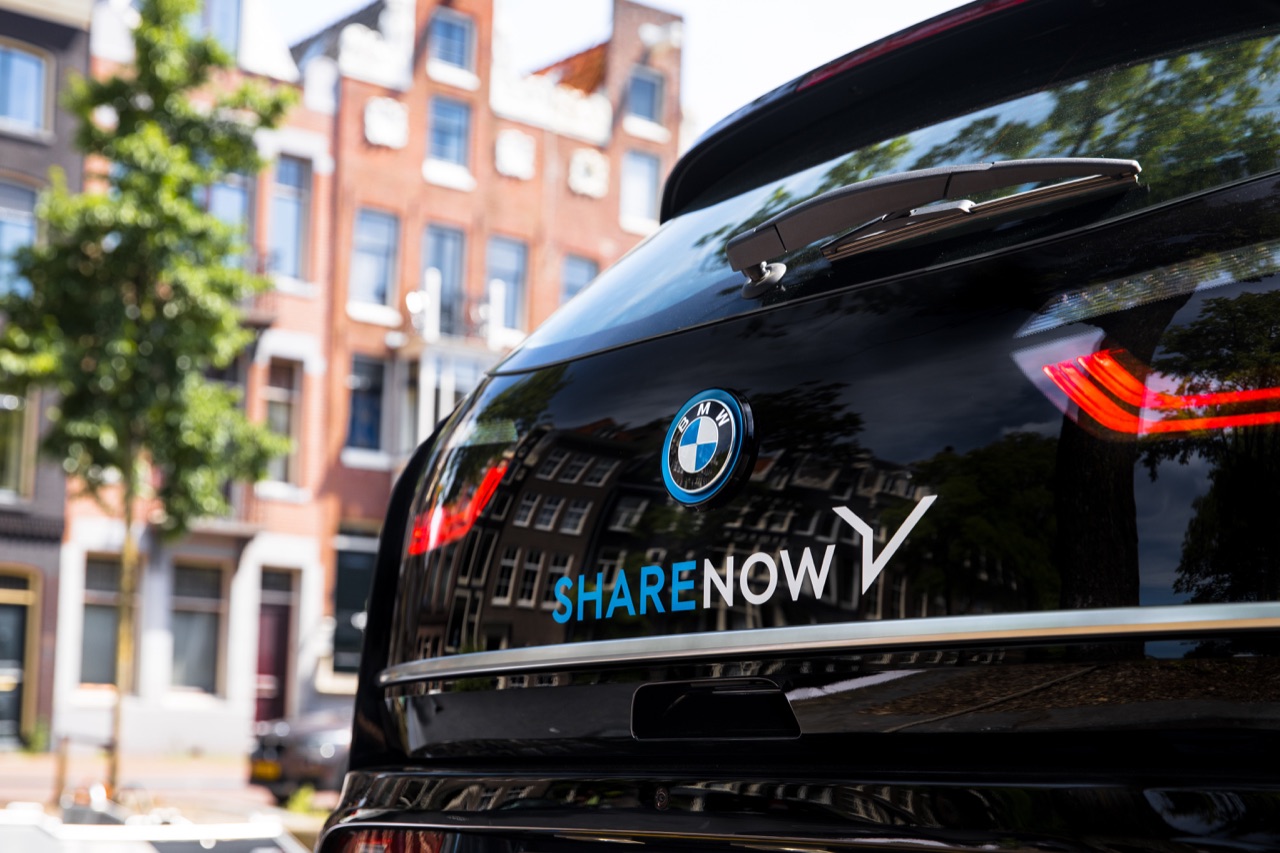
By definition, car sharing is a service that lets users rent a car for short periods of time, without worrying about office hours or fixed pick-up locations.
Most car sharing services bill per minute or per hour and run as free-floating systems: sharing-ready vehicles are spread around a commercial area, and once you reach your destination you can park freely or in the nearest designated space. You find shared vehicles across the city, locate them via GPS in the operator’s app, drive them, and park them in the designated zones. This is called one-way car sharing, because you can start and end your trip in two completely different places.
And the keys? The app is the key. Once you reach your booked car, you unlock it with your phone. You can rent a car whenever you want. All you need is the app, an internet connection, and your driving license.
How does a car sharing service work?
Typically you create a profile in the operator’s app, upload your driving license (approval can take a little time), and start looking for a vehicle. You reach the closest one, unlock it, and drive. When you arrive, you end the rental and pay via a digital payment system, usually inside the app. Some operators offer memberships, some charge per minute or hour, and some sell minute packages you buy when you need a ride.
Car sharing also lets you match the vehicle to the trip: need an SUV for a weekend away instead of your everyday compact? Browse the fleet and off you go.
Fuel, insurance, and maintenance: who pays?
A recurring question is about the costs tied to the car: is fuel included? Do I refill the tank? What about insurance, or a flat tire? Normally the owner of a car carries all of these: a big investment of money and time.
With car sharing, you don’t worry about any of it. Each operator has its own insurance policy, fuel is included, and maintenance, from a car wash to a flat tire, is handled by the operator. Some operators even give you credit for refueling, so keep an eye out for promotions and discounted bundles, which operators rely on to acquire new customers.
If you want to understand how car sharing companies work on the inside, or build one of your own, read our guide on how to start a car sharing business.
Closing thoughts
Car sharing is a genuine alternative, or complement, to the bike, the scooter, and public transport, thanks to its flexibility, lower cost versus ownership, and the variety of vehicles on offer. And it opens new possibilities for mobility operators to explore.