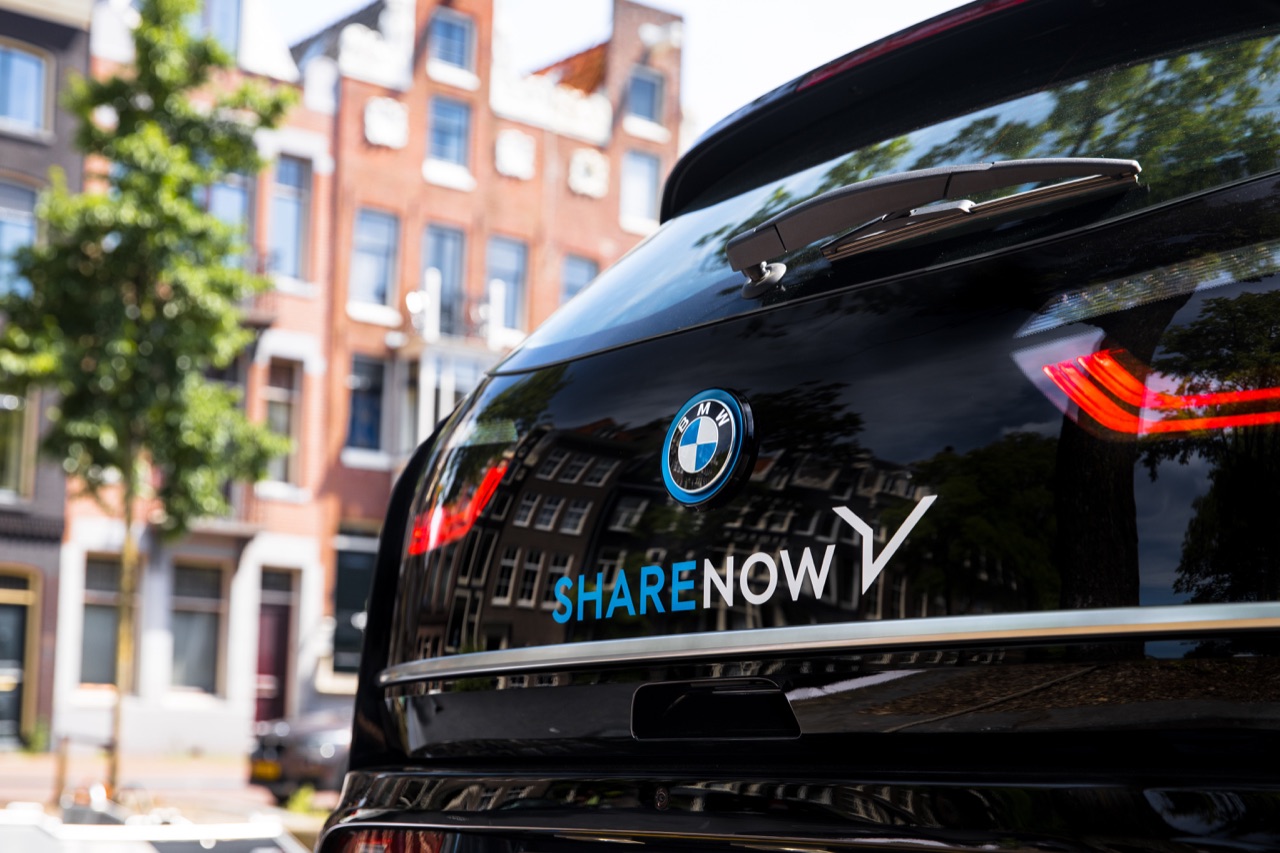
Whether it's a longer trip across the city, a small move, or a bulky errand, everyone needs a car from time to time. That's where car sharing fits: no big investment in a vehicle since you pay as you go, plus complete flexibility in a given area on your own schedule. And as more people in big cities skip car ownership in favor of sharing, it's a growing market for operators to explore.
This guide answers the important questions about how to start a car sharing business.
How do car sharing programs work?
Car sharing lets users rent a car for a short or medium trip with no human interaction needed. A user finds a car on the map, books it, drives to their destination, parks it freely or in reserved parking nearby, and ends the rental in the app, paying only for the time behind the wheel. This is called one-way car sharing. (For a fuller primer, see what a car sharing service is.)
Are car sharing companies profitable?
No one can promise every car sharing company will succeed, but historical data suggests they are, on average, profitable. The factors that shape the outcome, and that you need to think through, include:
- Location: research the urban environment you’ll operate in. Is the area suited to car sharing? How is parking? How big is the city? Are there car-free zones that could get in the way?
- Timing: cars aren’t weather-sensitive, but launch timing still matters, think summer versus winter, whether residents leave in summer, whether you can rely on tourism.
- Competition: are there other operators in your city, and how will you handle them?
- Price of rentals: operators usually charge a fixed unlock fee plus a per-minute rate. Set yours from your operational costs, and build minute packages to turn people into frequent users.
- Maintenance efficiency: map out every maintenance cost before launch. Electric cars, for instance, have a very different maintenance profile from petrol.
- Marketing and customer care: a good marketing strategy gets you known in your city; responsive support makes sure every user gets the help they need.
How to start a car sharing business
1. Begin with branding
You don't really have a car sharing service until it has a brand name, logo, website, and sharing software. Picture what you want customers to feel when they open your app or visit your site. Create a logo that signals your ideals (flexibility, practicality, fun, sustainability) and choose a name that stands out and hints at what makes you unique.
2. Set your goals: short, medium, and long
You want to build a good relationship with your city administration, become residents’ go-to mobility option, and reach profitability. Define those targets, set realistic short- and long-term goals, and start chasing them.
3. Choose the right cars
Your model shapes your fleet: agile and fun, family-friendly, or a workhorse for small moves. If you don’t have a fixed idea yet, pick standard vehicles that can serve more than one purpose. Things to weigh:
- cost
- maintenance
- number of seats
- brand imagery (tied to the car model)
- security (theft, vandalism)
- color and shape
4. Get the documentation, licenses, and authorization
There’s real work in satisfying city officials and securing the right identification and insurance. It varies by geography, but the constant is to research it thoroughly and square it away early. Each city has different parking rules, viability adjustments, and quantity limits, and permits take time.
5. Put security first
Implement your program with strong security. Car sharing companies have been targeted by attackers before, so choose software that allows close data monitoring to spot anomalies. The locking mechanism should be seamless for users, who unlock and relock cars many times a day. Finally, decide how you’ll track the fleet, usually via GPS, with a system that is reliable and easy to manage.
Final thoughts
With these factors in mind, you can decide whether a car sharing business is right for you, and start building a profitable one. On the software side, Wunder Mobility's platform can be a reliable ally on the way.